


The Importance of Enamel-Safe Teeth Whitening


Key Takeaways
- Protect your enamel during whitening. Enamel can’t regrow once damaged, so follow product directions and avoid overuse or harsh DIY methods.1,3
- Whitening is safe when done properly.1 Professional guidance and correct product use help prevent enamel erosion, gum irritation, and tooth translucency.3
- Maintain a bright smile with healthy habits. Regular dental visits, good oral hygiene, and enamel-safe products like Sensodyne Clinical White keep teeth white and protected.4
The Importance of Enamel-Safe Teeth Whitening
Teeth whitening is a popular way to improve the appearance of your smile. Learn more about how teeth whitening may lead to enamel erosion and find out how to whiten your teeth without damaging enamel.
What Is Enamel?
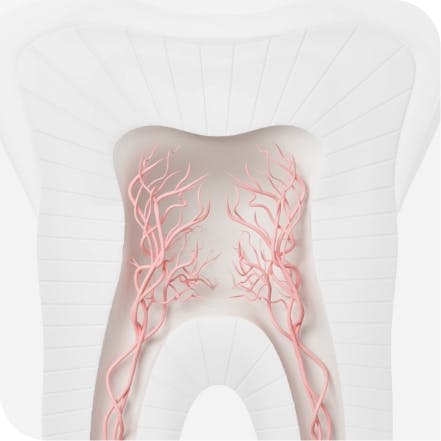
Enamel is the protective outer layer of your tooth.1 Your enamel exists to protect your teeth from:1
- Decay
- Sensitivity
- Infection
- Erosion
Even though enamel is the hardest substance in your body, it’s still possible for it to wear down over time.1 When your enamel is worn down, you’re more at risk to develop cavities.1 Worn-down enamel can also cause tooth sensitivity, making hot, cold or sweet foods unpleasant to eat.1 Teeth with enamel erosion may also be more susceptible to getting stained.1 Your enamel doesn’t grow back, so it’s important to protect the enamel that you have.1
Does Whitening Teeth Damage Enamel?
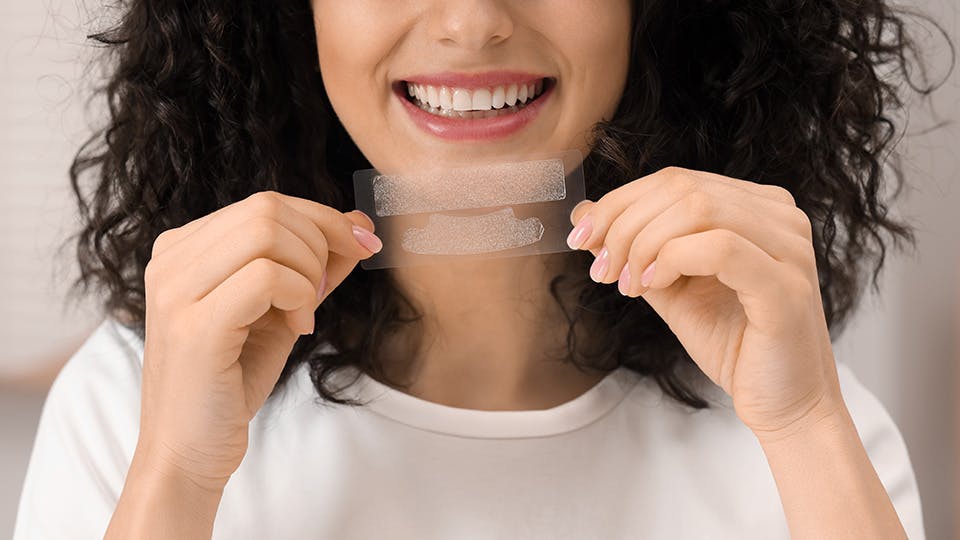
When done correctly, teeth whitening shouldn’t damage your enamel.1 Continuous use of over-the-counter whitening products like strips, pens and gel-filled trays could impact oral health. Whitening your teeth too frequently may also damage your gums or lead to translucent teeth.2 When your enamel becomes translucent, the inner yellow layer of the tooth may be more easily visible.2
How to Avoid Enamel Erosion While Whitening Your Teeth
Here’s how you can prevent enamel damage when you whiten your teeth:3
- Follow teeth whitening instructions. Teeth whitening products have different bleaching agent concentrations. Some teeth whitening products can be used daily, while others should only be used for up to a week. Follow the instructions that come with your whitening product to avoid overuse.
- Consult your dentist. Your dentist can help you find the products that work best. They can also help you figure out why your teeth are appearing discolored.
- Pay attention to your teeth. If a whitening product causes tooth or gum sensitivity, you might want to take a break from using it to prevent further discomfort.
- Don’t use DIY teeth whitening methods. Some people use apple cider or hydrogen peroxide to whiten their teeth at home. Some of these DIY teeth whitening methods can damage your teeth, and it’s best to use proven whitening methods instead.
Keeping Your Teeth White Without Whitening Treatments
If whitening your teeth causes sensitivity, there are simple changes you can make to help keep your teeth white, such as:4
- Seeing your dentist regularly for cleanings and checkups
- Avoiding foods that may stain teeth, like wine or coffee
- Brushing your teeth twice a day and flossing once a day
- Quitting smoking or tobacco products
Try Sensodyne Clinical White Toothpaste
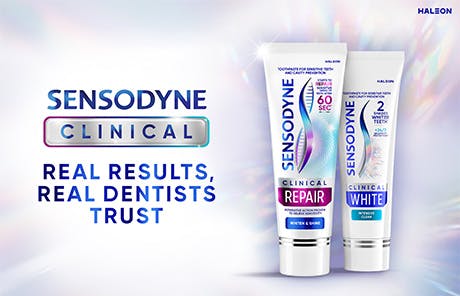
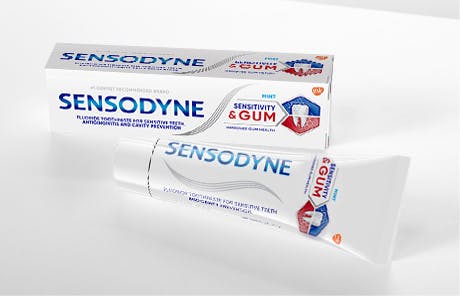
Try Sensodyne Clinical White toothpaste for whiter brighter teeth.** Delivering two shades whiter teeth* and 24/7 sensitivity protection^, Clinical White is enamel safe and gentle enough for everyday use. It doesn’t contain hydrogen peroxide, which may trigger sensitivity. The triple action formula contains clinically proven whitening ingredients that whiten, polish and help protect teeth from future stains. Its great-tasting mint flavor will leave your mouth feeling fresh and clean. Explore more Sensodyne products for plaque and gum protection, sensitive teeth repair and more.
*As shown in an 8-week study
^With twice daily brushing
**After 8 weeks of twice-daily brushing
Source Citations:
- Tooth Enamel. Cleveland Clinic. https://my.clevelandclinic.org/health/body/24798-tooth-enamel. Accessed 8/15/2025.
- Risks of frequent teeth whitening. American Dental Association. https://adanews.ada.org/huddles/risks-of-frequent-teeth-whitening/. Accessed 8/15/2025.
- Are Teeth Whiteners Safe and Worth Trying? Cleveland Clinic. https://health.clevelandclinic.org/is-teeth-whitening-safe Accessed 8/15/2025.
- Natural Teeth Whitening. American Dental Association. https://www.mouthhealthy.org/all-topics-a-z/natural-teeth-whitening. Accessed 8/15/2025.


