



The importance of enamel-safe whitening, especially for sensitive teeth
Teeth whitening is one of the easiest ways to freshen up your smile, but it also raises a fair question: what is actually happening to your enamel while you do it? Below, we break down what enamel does, how whitening can affect it, and what to look for if you want brighter teeth without causing problems down the road.


Quick answer: is whitening safe for your enamel?
Whether a whitening method is safe for your enamel depends on the product, the concentration of the whitening ingredient, how you use it, and the condition of your teeth going in. 1,2
The safest approach is to check with your dentist if you are not sure if a product is right for you.
What is enamel, exactly?
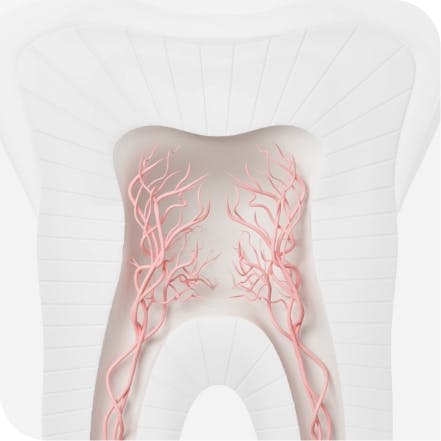
Enamel is the hard, protective outer layer of your tooth. 3 It is there to guard against decay, sensitivity, infection, and erosion. 3 Enamel can wear down over time. 3
When enamel wears thin, you become more likely to develop sensitivity. 3 Hot, cold, or sweet foods may start to feel uncomfortable instead of enjoyable. 3
Factors that affect whitening safety
There is no single checklist that guarantees a whitening method will not cause problems, but a few things are worth paying attention to before you start: 1,2
- Peroxide type and concentration. Hydrogen peroxide and carbamide peroxide products vary widely in strength, and higher concentrations generally come with more risk of sensitivity. 1,2
- Fluoride and potassium nitrate content. Fluoride helps strengthen and protect enamel, while potassium nitrate to relieve sensitivity pain.
- Frequency of use. Even a well-formulated product can cause problems if it is used more often than directed. 1,2
Comparing whitening methods
Whitening toothpaste removes surface stains — it does not change the underlying color of your teeth the way strips or in-office treatment does.
How to whiten your teeth safely
- Start with a dental check-up. A dentist can flag cavities, gum issues, or existing enamel wear before you begin. 2
- Follow the labeled wear time. 1,2 Longer is not better here. 2
- Stick to the recommended treatment window, and give your teeth a break before starting another round. 2
- Stop if you notice sensitivity or gum irritation. Pushing through discomfort is not worth it.
- Consult your dentist if whitening does not work as expected. 1,2
Who should avoid or delay whitening
Whitening is not right for everyone, and it is worth checking with a dentist first if any of these apply to you: untreated cavities, active gum disease, or existing enamel erosion or cracked teeth. 2 If you are not sure where you stand, a dentist can give you a proper diagnosis before you start. 2
Caring for your teeth before, during, and after whitening
If you have sensitivity, use Sensodyne Clinical White two weeks before, during, and after your whitening treatment to help care for sensitive teeth.
A few other things help along the way:
- Brush twice daily. 3
- Space out whitening treatments rather than doing them back-to-back if you have sensitivity. 1,2
- If you smoke, cutting back or quitting can help results last longer. 3
How to whiten safely if you have sensitive teeth
Peroxide based whitening methods cause sensitivity in some people for two main reasons. Higher peroxide concentrations can pass through the enamel and irritate the nerve inside the tooth, and high-abrasivity formulas can wear at enamel and expose the softer dentin underneath. If hot, cold, or sweet foods already make your teeth uncomfortable, these products can make that worse. 3
If that sounds like you, look for three things in a whitening product: a non-peroxide formula low abrasivity, and potassium nitrate as the active ingredient for sensitivity relief. Potassium nitrate works by calming the nerve inside the tooth, which helps reduce the discomfort that whitening can otherwise trigger, with twice daily brushing.
Timing matters too, especially around professional treatment. If you have sensitivity, use a sensitivity-safe whitening toothpaste for two weeks before a professional whitening treatment, continue using it during treatment, and keep using it after treatment to help protect sensitive teeth throughout the process.
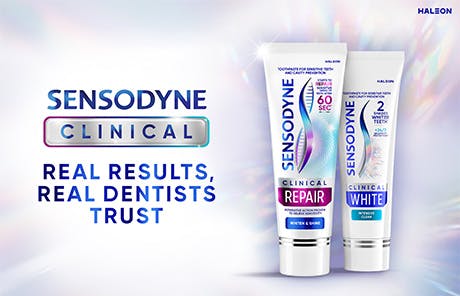
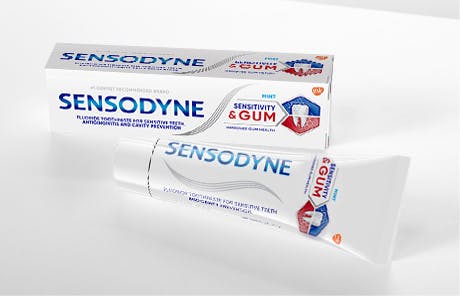
Sensodyne Clinical White is a whitening toothpaste built for this purpose, and because it contains potassium nitrate it needs to be used 2 weeks before, during, and after.
What Sensodyne Clinical White offers
Sensodyne Clinical White is Enamel Safe and gentle enough for everyday use. As you brush, the formula lifts stains that have already built up on the surface of your teeth. It also contains a stain protector ingredient that helps stop new stains from bonding to your enamel, so teeth stay looking whiter between brushings.
It does not contain hydrogen peroxide, which can trigger sensitivity in some people and that matters if you have sensitive teeth and want to use a whitening toothpaste every day rather than saving whitening for occasional treatments.
Used twice daily, it delivers 2 Shades Whiter teeth (as shown in an 8-week study) and provides 24/7 sensitivity protection with twice daily brushing. It also removes 85% of surface stains after 8 weeks with twice daily brushing.
If you are dealing with sensitivity and want to keep whitening in your routine, this is the kind of toothpaste worth asking your dentist about. 2 You can also look at the full range of Sensodyne products for gum protection, sensitivity repair, and more.
Common questions about whitening and enamel
Does whitening damage enamel?
Not when it is used as directed, but that does not mean every product is automatically "enamel-safe." Overuse of any whitening product, including over-the-counter strips and trays, is where the real risk lies. 1,2
How can I reduce sensitivity after whitening?
Using a toothpaste with potassium nitrate for two weeks before and during whitening, and continuing after, can help protect sensitive teeth. If you have sensitivity, Sensodyne Clinical White is designed to be used the same way, before, during, and after treatment.
What percentage of peroxide is safe to use at home?
Over-the-counter products are typically formulated with lower peroxide concentrations than what a dentist can use in-office, which is part of why they are approved for home use without supervision. 1,2 Always check the label for the specific concentration and follow the directions.
Can I use whitening strips every day?
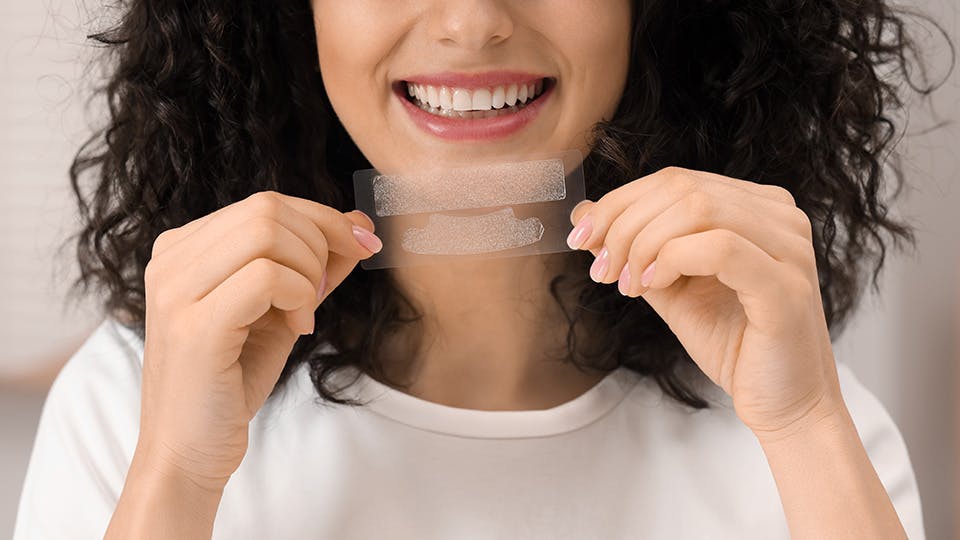
Only if the product instructions say so. Many strips are designed for use over a set period, while others are meant for shorter, less frequent use. Using a product more often than directed is one of the more common ways people run into sensitivity or gum irritation.1,2
Does whitening work on crowns or veneers?
No. Whitening products only affect natural tooth enamel, so crowns and veneers will stay the same color while your natural teeth around them get lighter. That mismatch is worth discussing with your dentist before whitening if you have visible restorations. 1,2
Quick glossary
Enamel: the hard, outer layer of the tooth that protects against decay and sensitivity. 3
Dentin: the layer beneath enamel; softer, and more sensitive when exposed. 3
Erosion: the gradual wearing away of enamel, often from acidic foods, drinks, or overly aggressive brushing. 3
Hydrogen peroxide vs. carbamide peroxide: both are whitening agents, but carbamide peroxide breaks down more slowly, which is why it is often used in longer-wear products, while hydrogen peroxide tends to act faster at higher concentrations. 1
References
- Getting whiter teeth. Journal of the American Dental Association. https://jada.ada.org/article/S0002-8177(20)30534-1/fulltext. Accessed 8/15/2025.
- Whitening. American Dental Association. https://www.ada.org/resources/research/science-and-research-institute/oral-health-topics/whitening. Accessed 8/15/2025.
- Enamel Erosion. American Dental Association. https://www.ada.org/resources/research/science-and-research-institute/oral-health-topics/enamel-erosion. Accessed 8/15/2025.


