

Foods That Can Stain Your Teeth



Certain foods and drinks are known to stain teeth over time. Their dark pigments and often high acidity can weaken enamel, making discoloration more noticeable, especially if you have sensitive teeth. The good news is that you don’t have to give up your favorite meals to maintain a brighter smile. By understanding which foods cause staining and learning simple prevention tips, you can protect your enamel and reduce discoloration.
Key Takeaways
- Coffee and wine, and curry can dull your smile – Heavily pigmented or acidic foods and drinks are the biggest culprits behind tooth stains.1
- Simple habits help – Sip through a straw, add milk to tea or coffee and wait an hour to brush after acidic foods to keep your smile brighter.
Why Do Teeth Become Discolored?
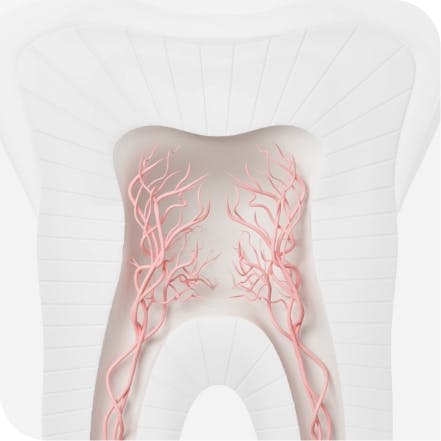
Teeth can become stained due to internal or external causes, known as intrinsic and extrinsic stains.1 Intrinsic stains are embedded within the teeth themselves, usually as a result from antibiotics, medications, trauma, and genetics.1 But when a stain only affects your tooth’s outer layer, known as the enamel, it’s referred to as extrinsic.1 These stains can be caused by consuming certain foods and beverages, using tobacco products or not brushing or flossing regularly.1
It's also important to understand the difference between surface stains and enamel erosion. Stains on your teeth are usually caused by foods and beverages. Discoloration that is a result of enamel erosion may be indicative of a larger problem. However, some foods that stain can also contribute to enamel erosion due to their high acid content, so it’s important to pay attention to what you’re eating.2
Teeth Staining Food and Drinks
While overly sweet food and drinks certainly aren’t great for your teeth, they’re not the only thing you’re consuming that can be harmful.
Acidic Foods That Can Stain Teeth
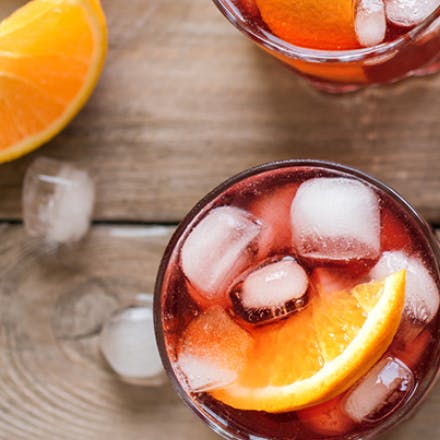
Foods and beverages that are overly acidic can lead to tooth erosion and wear away the enamel that protects your teeth, causing yellowish discoloration over time.2 Some of these acidic foods and beverages that can make your teeth look yellow:2
- Tomatoes
- Citrus fruits
- Carbonated drinks
- Sour candies
While tomatoes and oranges are healthy for you, they should be eaten as part of a larger meal rather than alone to limit their acidic effects.2 Some dried fruits like raisins can damage your teeth’s enamel because they are both sticky and acidic.2
Sodas and carbonated sports drinks are a major culprit of erosion: the carbonation naturally increases any preexisting acidity, making them more harmful.2 When your enamel is weakened by consuming acidic foods, your teeth may become more prone to discoloration.1
Pigmented Foods That Can Stain Teeth
Other beverages and foods are more likely to cause discoloration and extrinsic staining due to their own coloring:1
- Black coffee or tea
- Red and white wine
- Darkly colored food: beets, chocolate, berries
- Soy sauce
- Curries
In addition to these foods and beverages, tobacco use can contribute to the discoloration of your teeth.3 These stains are located on the surface of your teeth and may seem worse in areas where your enamel is rough or overly porous due to structural damage.3
Avoiding and Removing Dental Stains Due to Food
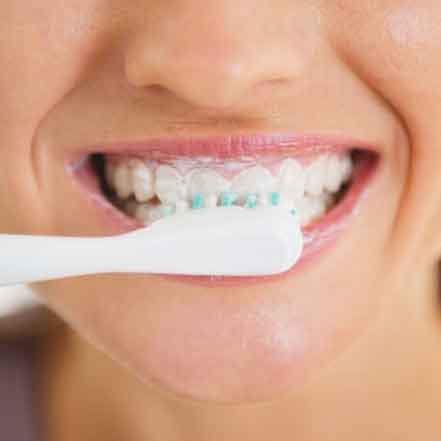
One way to avoid extrinsic stains due to food is by practicing good dental hygiene for healthy teeth and gums. Make sure you’re taking the time to floss once a day and brush twice a day for two minutes using a fluoride toothpaste as part of your regular routine.1 However, brushing immediately after consuming acidic foods isn’t recommended.
While it may seem necessary to brush right after eating or drinking something that could stain your teeth or is overly acidic, you should wait about an hour.2 This will allow your saliva to naturally wash away the acids and allow your enamel to re-harden.2
Other Tips to Prevent and Remove Stains
Some other tips to avoid discoloration due to food and drink include:
- Use milk in your coffee and tea to mitigate any potential stains.2 Dairy and calcium-rich foods can help neutralize acids that cause long-term damage to your teeth.2 One study showed that adding milk to tea significantly reduced its ability to stain teeth.4
- Eating high-fiber foods can lower the acid level within your mouth, and leafy greens can cause you to generate more saliva, which has the effect of scrubbing away stains and helping to keep your teeth cleaner.1
- Use a straw when drinking beverages that are overly acidic or known to cause staining.2 This will limit the amount of contact that the drink has with the surface of your teeth.
Paying attention to the foods and beverages you consume and taking steps to counteract staining and damage to your teeth’s enamel is a great way to take control over your overall dental health. Another smart idea is to brush twice a day with a whitening toothpaste like Sensodyne Clinical White Stain Protector, which helps protect teeth against future surface stains and is enamel safe.
Frequently Asked Questions
Does turmeric stain your teeth?
One myth of natural teeth whitening is scrubbing them with turmeric. The ADA has indicated that there is no relieable scientific evidence to support the use of turmeric as a whitening agent.5
What are the top teeth-staining foods and drinks?
Foods and drinks that can stain your teeth include:1,2
- Black coffee
- Red wine
- Beets and berries
- Soy sauce
- Carbonated drinks
- Tomato
- Citrus fruits
Is it safe to brush immediately after eating acidic foods?
Wait about an hour after eating acidic foods before brushing your teeth to allow your saliva to naturally wash away acids and re-harden enamel.2
Source Citations:
- What causes discolored teeth and is there any way to cure or prevent staining? Tufts School of Dental Medicine. https://now.tufts.edu/2016/03/18/what-causes-discolored-teeth-and-there-any-way-cure-or-prevent-staining. Accessed 1/25/23.
- Erosion: What You Eat and Drink Can Impact Teeth. MouthHealthy. https://www.mouthhealthy.org/all-topics-a-z/dietary-acids-and-your-teeth/. Accessed 1/25/23.
- Stain removal and whitening by baking soda dentifrice. Journal of the American Dental Association. https://jada.ada.org/article/S0002-8177(17)30811-5/fulltext. Accessed 1/25/23.
- Prevention of tea-induced extrinsic tooth stain. National Library of Medicine. https://pubmed.ncbi.nlm.nih.gov/25040739/. Accessed 1/26/23.
- Effect of Different Food Coloring Additives On the Color Stability of Microabraded, at-Home Bleached and Resin Infiltrated Tooth. British Journal of Applied Science and Technology. https://www.sciencedirect.com/science/article/abs/pii/S030057121000196X. Accessed 8/22/25.


